AI model
Cartwheel Control
By Cartwheel, from github.com/Cartwhl/cartwheel-control (opens in a new tab)
- Humanoids and robot learning
- Apache-2.0 (code)
- Cartwheel Open Model License (weights)
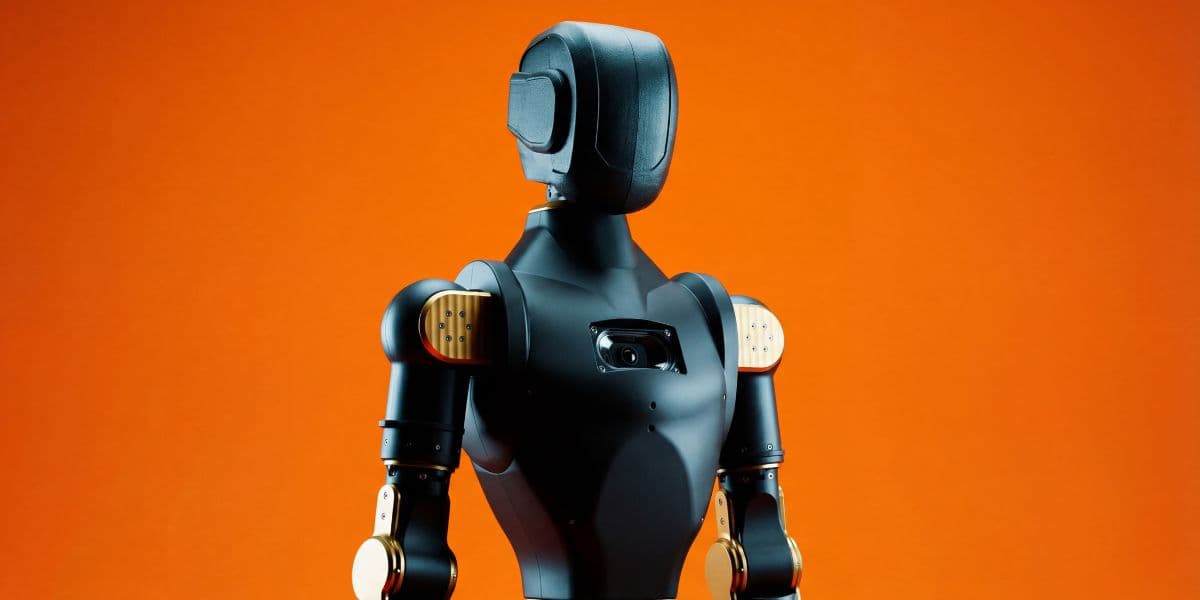
Whole-body motion-tracking policies that drive humanoid robot joints to reproduce reference motions in physics simulation. Released for three robots.
- Custom weights terms. The weights come under their maker's own terms (Cartwheel Open Model License), not a standard license: read their conditions before any use.
Facts
- Code last updated
- 6 Nov 2026Newest commit on main
- Maintenance
- Activea commit in the last 90 days
- Difficulty
- Advanced
- Hardware it needs, as the project states it
- Linux with an NVIDIA GPU, and uv 0.6 or newer.
Checked on GitHub on 18 Nov 2026.
Licenses
- Code
- Apache-2.0 (opens in a new tab)
Read by Robotheca from LICENSE (opens in a new tab) (Apache-2.0) at commit 735c07c (opens in a new tab), on 11 Nov 2026.
- Weights
- Cartwheel Open Model LicenseTerms of their own, not a standard license
Read on huggingface.co/andrew-cartwheel/cartwheel-control (opens in a new tab).
- Commercial use
- Yes, with conditionsUnder Cartwheel's own licence, which says "Models are commercially usable" and lets you share modified models, with its attribution notice; the licence ends for anyone who sues over the model, and Cartwheel may update its terms. The robot models packed with each policy keep their own licences: Asimov 1's CERN-OHL-S-2.0, the G1's BSD-3-Clause, and RP1's none (all rights remain with RoboParty).
At a glance
- What it is
- Provides policies that make a humanoid robot follow a reference motion by driving its joints in simulation.
- Supports the RoboParty RP1, Menlo Asimov-1 and Unitree G1 robots.
- The command cartwheel-play downloads the policy, robot model and example motions, then simulates them all at once.
- It reports which motions the robot completed and writes a web viewer showing the simulated robot beside the reference motion.
- Users can supply their own motion files in .npz format at 50 Hz, with root pose and joint angles.
Robotheca's summary of the project's documents, not the creator's words.
- Robots on Robotheca
- Used by Asimov 1 and RoboParty RP1.
- Licence
- Apache-2.0 (code); Cartwheel Open Model License (weights). Commercial use: Yes, with conditions. Where it was read
- Load it
- In the creator's words: The project's website (opens in a new tab)
- Maintenance
- Active, last commit on 6 Nov 2026.
Works with
2 robots on Robotheca
The robots on Robotheca that use it or can run it, each with how the link was found.
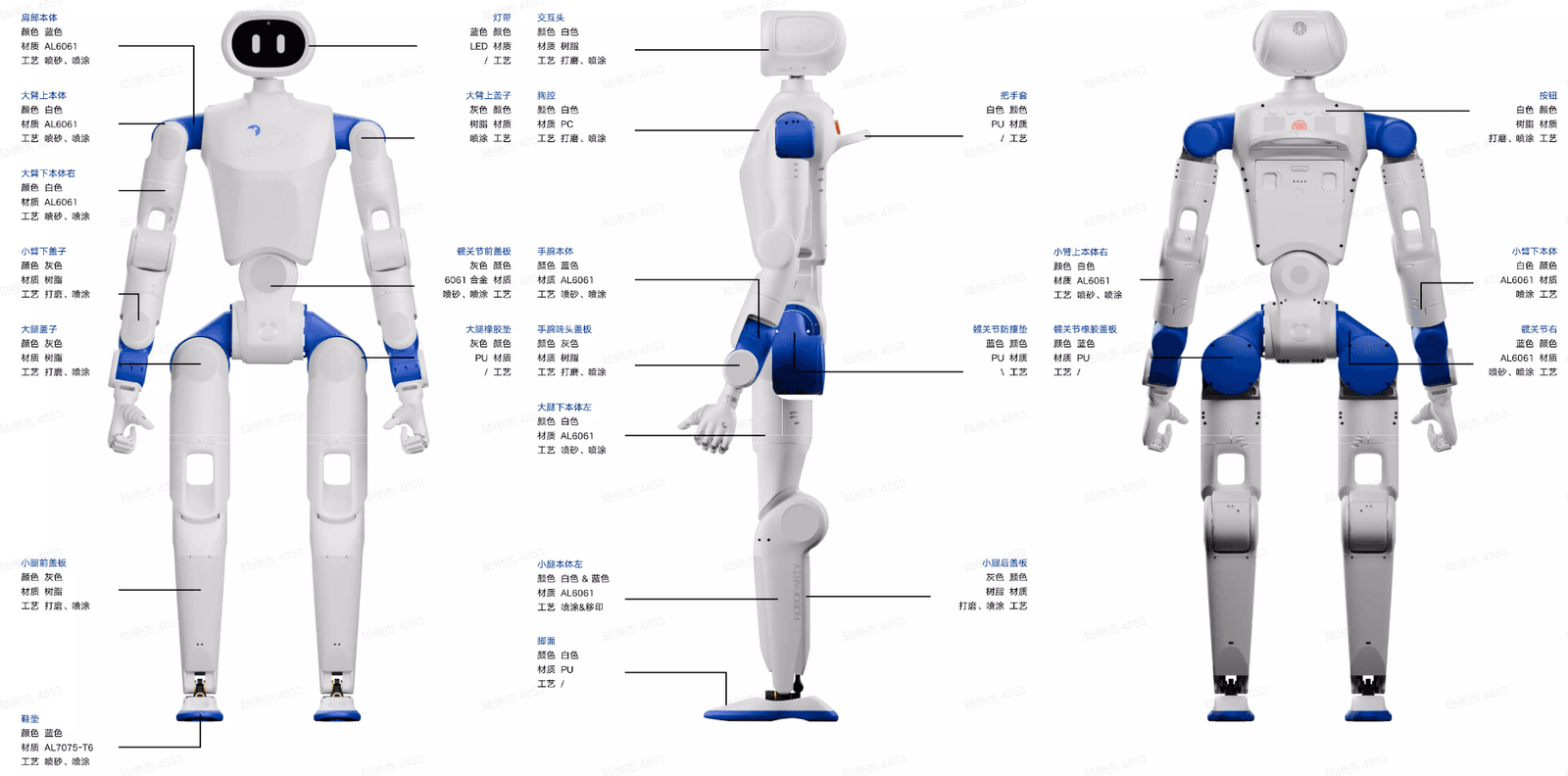
Its asimov-1 policy tracks reference motions on Asimov 1 (25 joints), in simulation; not run on hardware yet.
Open source · free files
RoboParty RP1
Humanoid · Advanced
- Score
- Buildability 56 out of 100
- Cost
- Not stated
Its rp1 policy tracks reference motions on RP1 (28 joints), in simulation; not run on hardware yet. The RP1 model packed with it has no licence (all rights with RoboParty).
Use it
How to load it, in the creator's words: The project's website (opens in a new tab)
Robotheca doesn't review code. Read it before running it.
Files and versions
Facts read at commit 735c07c
- Repository on GitHubgithub.com/Cartwhl/cartwheel-control (opens in a new tab)
- The version Robotheca read735c07c (opens in a new tab)
- Latest releaseNone published on GitHub
- Model card on Hugging Facehuggingface.co/andrew-cartwheel/cartwheel-control (opens in a new tab)
Robotheca never hosts the code or the weights: each link goes to the creator's own page.
The README and the model card
The creator's own README, copied as written: README.md by Cartwheel, at commit 735c07c, under Apache-2.0 (opens in a new tab). The original on GitHub (opens in a new tab).
Read the README here
Cartwheel Control
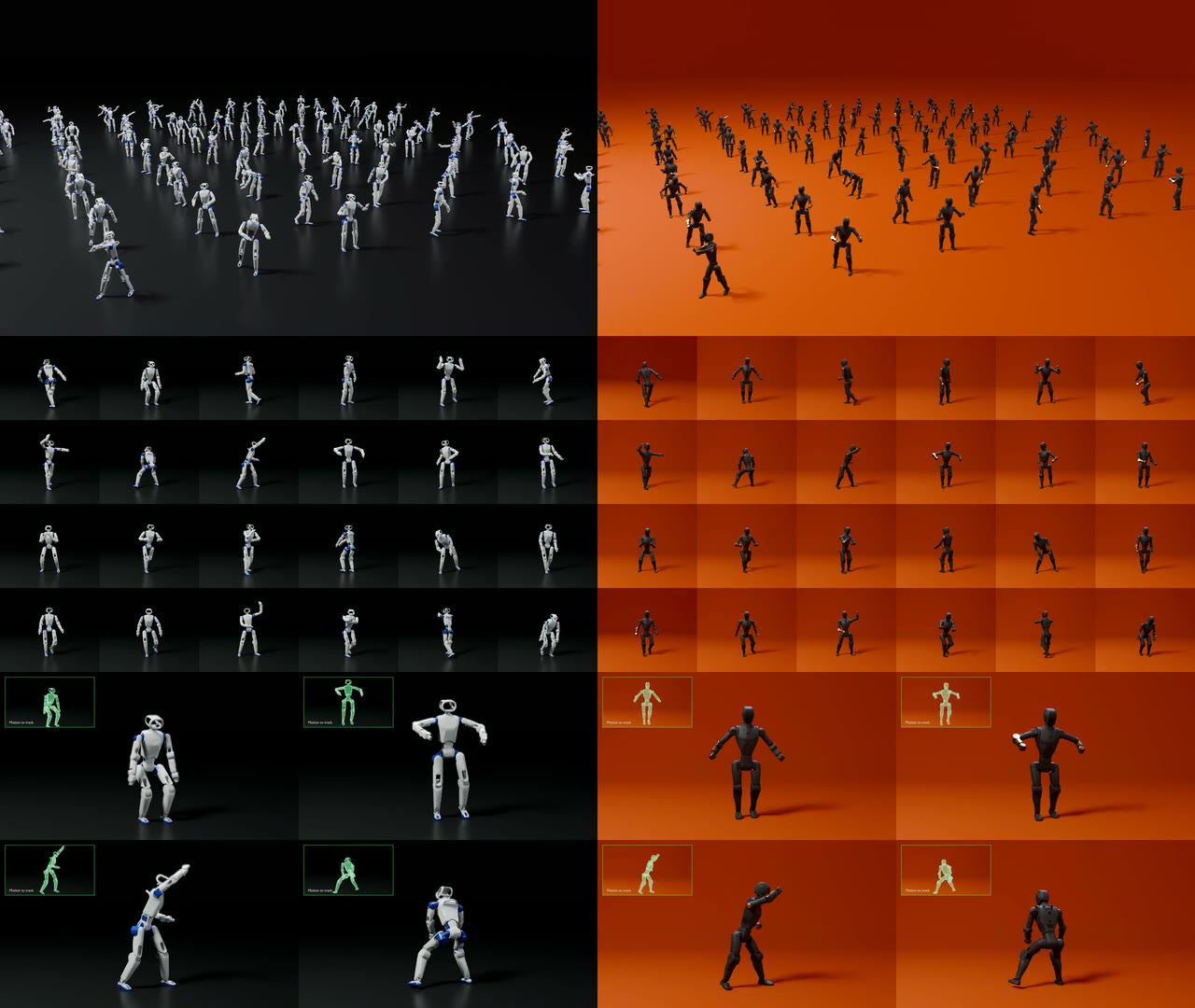
Whole-body motion-tracking policies for humanoid robots. Give a policy a reference motion and it drives the robot's joints to perform it, in physics simulation. Policies are released for three robots:
| Robot | Joints | Weights |
|---|---|---|
| RoboParty RP1 | 28 | rp1/ (opens in a new tab) |
| Menlo Asimov-1 | 25 | asimov-1/ (opens in a new tab) |
| Unitree G1 | 29 | g1/ (opens in a new tab) |
Run
Linux with an NVIDIA GPU, and uv (opens in a new tab) 0.6 or newer.
git clone https://github.com/Cartwhl/cartwheel-control && cd cartwheel-control
uv sync
uv run cartwheel-play --robot rp1
python -m http.server -d play_out/viewer 8000
Then open http://localhost:8000 (opens in a new tab). cartwheel-play downloads the policy, the robot model and a set of
example motions from Hugging Face, simulates every motion at once, prints which ones the robot
completed, and writes a web viewer of the result: the robot as simulated, with the reference
motion as a translucent ghost.
| Option | |
|---|---|
--robot rp1 / asimov-1 / g1 | which policy |
--clips dance | only motions whose name matches this regex |
--motions <folder> | your own motions instead of the examples |
--max-seconds 20 | how much of each motion to run |
--out play_out | output folder (rollouts.npz and viewer/) |
Motions
A motion is a .npz file with qpos, an array of shape (frames, 7 + joints) at 50 Hz: root
position (m), root orientation (quaternion, w first), then joint angles (rad) in the order of the
robot's MJCF, also listed in its config.json. The robot starts in the motion's first frame.
Layout
cartwheel_control/play.py | the command line and the rollout loop |
cartwheel_control/policy.py | network, observations and goal |
cartwheel_control/sim.py | MuJoCo Warp simulation through mjlab (opens in a new tab) |
cartwheel_control/robots.py | PD gains, action scales and default pose of each robot |
cartwheel_control/motion.py | reference motions |
cartwheel_control/viewer.py, viewer.html | the web viewer |
License
Code is licensed under Apache 2.0 (opens in a new tab). Model weights are licensed under the Cartwheel Open Model License (opens in a new tab). The robot models are third-party and keep their own licenses: see NOTICE (opens in a new tab).
Robotheca lists AI models as a reference: nothing is hosted or run here, and every fact links to where it was read.